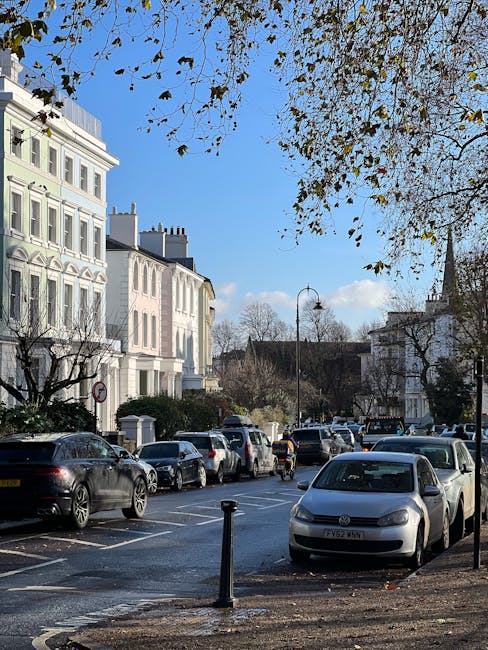
Putney removals for SW15 narrow streets and terraces: a practical guide for tight access, terraced homes, and calmer moving days
If you are planning Putney removals for SW15 narrow streets and terraces, you already know the real challenge is not just carrying boxes. It is getting a van down a tight road, finding a legal stopping point, protecting stairs and hallways, and keeping the move moving when the street feels barely wide enough for one car and a cyclist. Putney has plenty of character, but that character can make removals feel a bit fiddly. This guide breaks the process down in plain English so you can plan properly, avoid common headaches, and choose the right approach for your home, flat, or terrace.
We will look at how these moves work, why local street layout matters, what good preparation looks like, and which service options fit different situations. You will also find a checklist, a comparison table, and a realistic example from a typical SW15 moving day. No fluff. Just the sort of practical guidance that helps when the kettle is packed and the front door is already propped open.
- Why Putney removals for SW15 narrow streets and terraces matters
- How Putney removals for SW15 narrow streets and terraces works
- Key benefits and practical advantages
- Who this is for and when it makes sense
- Step-by-step guidance
- Expert tips for better results
- Common mistakes to avoid
- Tools, resources and recommendations
- Law, compliance, standards, or best practice
- Options, methods, or comparison table
- Case study or real-world example
- Practical checklist
- Conclusion
- Frequently asked questions
Why Putney removals for SW15 narrow streets and terraces Matters
Putney is a place where moving can look straightforward on paper and then become a minor puzzle once the van arrives. Terraced streets, parked cars, narrow turns, side roads, and tight front gardens all affect how long loading takes and how many hands you need. Even a short move can slow down if furniture has to be carried further than expected or if access forces the team to work one item at a time.
That matters because removals are not just about transport. They are about sequencing. Where does the vehicle stop? Which item comes out first? Can the sofa be turned on the landing? Do the bed base and wardrobe need disassembly before the team even starts? A well-run SW15 move answers those questions before the first box leaves the house.
In terraced homes, the pressure points are usually the same: front steps, narrow hallways, small porches, steep staircases, and neighbours who still need access to the street. To be fair, that is where a careful moving plan makes all the difference. A rushed plan can create avoidable delays, blocked walkways, and a lot of unnecessary sweating. Not ideal when you are already trying to remember where the charging cables went.
For many Putney households, the move is part of a wider change too. Someone is upsizing from a compact terrace, downsizing after years in the same house, moving between flats, or shifting a home office setup. Each of those needs a slightly different approach, and the right team will size up the job before guesswork creeps in.
How Putney removals for SW15 narrow streets and terraces Works
A good removal job in SW15 starts long before moving day. The initial stage is access planning. That usually means checking whether the van can stop near the property, whether there are width restrictions, whether any parking arrangements are needed, and whether the load-out path is clear from the front door to the vehicle. If a street is tight, a smaller vehicle or a shuttle style approach may be more practical than trying to squeeze in something larger.
Then comes item planning. This is the bit many people underestimate. A removal van is not a magic box. Large wardrobes, beds, dining tables, mirrors, and pianos often need protection or dismantling. Professional packing and boxes support can make a move a lot smoother because the team can stack efficiently and keep fragile items from becoming a mystery pile of worry.
On the day, the crew typically works in a steady sequence: protect surfaces, remove larger items first, carry boxed goods in a controlled order, and keep the load balanced in the vehicle. In narrow terraces, that order matters even more because there may not be space to leave items outside for long. You want the move to flow, not stall at the doorway.
For smaller homes or lighter loads, a man and van style service can be a sensible choice. For bigger family homes or properties with lots of furniture, a fuller house removals service may be more suitable. If you are moving between flats, flat removals are often a better fit, especially where stairs, lifts, and access points need careful handling.
The key idea is simple: the best move is usually the one that is planned around the property, not the other way round.
Key Benefits and Practical Advantages
When a move is matched properly to a narrow Putney street or terrace, the benefits are immediate. You save time, reduce stress, and lower the risk of damage to your furniture and the property itself. You also reduce the chance of a half-chaotic move where items end up parked on the pavement while everyone waits for space to open up. Not much fun.
- Better vehicle access: Smaller or well-positioned vehicles can make tight roads manageable.
- Less carrying distance: When the load point is planned well, the team spends less time walking heavy items up and down the street.
- Lower damage risk: Thoughtful handling means fewer bumps on stair rails, corners, and door frames.
- Cleaner schedule: A move that starts well is far less likely to drift into the afternoon.
- Less disruption for neighbours: Good access planning helps keep pavements, driveways, and shared spaces clear.
There is also a quiet confidence that comes with knowing the job has been properly thought through. You can focus on the new place, the keys, the final meter reads, or that inevitable last cup of tea in an empty kitchen. It sounds small, but peace of mind is a real benefit on moving day.
If your move involves mixed household items, it can help to combine removals with furniture removals or furniture pick up support, especially if some items are not going to the new address. That keeps the move tidy and avoids unnecessary clutter being carried from one place to another for no reason.
Who This Is For and When It Makes Sense
This kind of service is for anyone moving in or out of SW15 where access is not exactly generous. That includes family terraces, converted houses, maisonettes, ground-floor flats with awkward entry, and upper-floor homes with narrow staircases. If you have already stood in your hallway wondering how the wardrobe ever got in there, yes, this is for you.
It also makes sense if you are short on time. Some people only need a simple vehicle and a couple of helpful hands; others need full packing support, loading, transport, and unloading. A flexible approach is often best. Students moving into compact accommodation may prefer lighter support, while landlords and tenants with a full household often want something more comprehensive.
These are common scenarios where the right service matters:
- Moving from a terrace with limited road width and on-street parking
- Relocating from a top-floor flat where stairs are the main obstacle
- Shifting a family home with mixed furniture sizes
- Moving in a hurry because dates have changed
- Reducing load by storing items temporarily before the final move
For students or people moving lighter loads, student removals can be the more practical fit. If you need temporary space while you sort out keys, repairs, or timing gaps, storage can take the pressure off. That gap between move-out and move-in happens more often than people think.
And if your move is commercial rather than domestic, you are in a different lane entirely. In that case, commercial moves or office removals may be the better starting point.
Step-by-Step Guidance
Here is a practical way to organise a Putney move without overcomplicating it.
- Measure the access points. Check front door width, hallway bends, stair turns, and any low-hanging features like lights or banisters.
- Think about the street first. Can a van stop close enough? Is there room for a safe loading position without blocking traffic or neighbours?
- Separate items by priority. Put essentials, breakables, and heavy furniture into clear groups so loading makes sense.
- Decide what needs dismantling. Beds, wardrobes, and some desks move better in pieces. It is a bit of a pain, but worth it.
- Book the right level of help. A lighter move may suit a man with van option, while bigger homes may need a removal services approach.
- Pack for the layout, not just the contents. Boxes should be labelled by room and weight, not just thrown together in a heroic but regrettable pile.
- Keep the exit path clear. Shoes, lamps, bins, and last-minute bags have a habit of blocking the one sensible route out.
- Prepare for the unexpected. If the van cannot park directly outside, have a backup plan for hand-carry distance or a second load point.
One useful detail: try to finish packing the most awkward items the night before. The morning of the move is always louder than expected. There is rustling tape, that small scrape of a box across wood, and at least one person asking, "Has anyone seen the screwdriver?"
That is normal, by the way. Not ideal, but normal.
Expert Tips for Better Results
First, choose the move size based on the property, not wishful thinking. If the street is narrow and parking is tight, a smaller vehicle that can work efficiently may beat a bigger truck that spends half the day hunting for a space. It is not about looking impressive. It is about getting the job done cleanly.
Second, protect the house itself. Terraced homes often have narrow entrances, painted bannisters, older plaster, and corners that show scuffs quickly. Corner guards, blankets, and proper wrapping are not overkill; they are a sensible way to keep the property in the same state you found it.
Third, keep fragile and high-value items separate. Mirrors, artwork, TV screens, and glass shelving deserve their own plan. If you have a piano, specialist handling is wise. In that case, piano removals is the kind of service that should be arranged specifically, not improvised on the day.
Fourth, do not overpack boxes. Heavy boxes are a classic moving mistake. They seem efficient until they need to go down a staircase or through a tight landing. Then everyone has regrets. Keep books in smaller boxes and distribute weight properly.
Fifth, keep communication simple. One person should be the point of contact on the day. Too many instructions shouted from three rooms at once, and the whole thing gets muddled. A calm plan is often the secret ingredient.
If you are comparing providers, it is worth checking whether they explain access planning clearly and whether they discuss handling, transit protection, and timing in a sensible way. Transparency matters a lot more than flashy promises.
Common Mistakes to Avoid
Some moving mistakes are almost universal, but they hurt more in a place like Putney where the streets already demand a bit of finesse.
- Assuming a van can park anywhere: Tight streets often need a proper access plan.
- Leaving packing too late: Late packing leads to poor labelling, rushed wrapping, and lost items.
- Ignoring staircase dimensions: A sofa may fit in the house and still fail at the bend.
- Choosing the wrong service level: Light loads do not need the same setup as full family moves, and vice versa.
- Forgetting about disposal: If you are not taking everything with you, plan for clearance or reuse.
- Not checking protection and insurance details: You want to know how handling and cover work before the truck is loaded.
Another one: underestimating the time needed for a terrace. It feels like a short walk from front room to van, and then there are three doors, a step, a curve, and a neighbour's car in the way. The clock starts creeping. Better to build in margin.
And yes, one more. Not all clutter deserves to come with you. Moving is often the best moment to let go of duplicate chairs, broken side tables, and that storage box of cables no one has opened since 2017. Honestly, the box may be nesting.
Tools, Resources and Recommendations
You do not need a long list of clever gadgets to move well. You need a few practical tools and a sensible setup. Most good moves in SW15 rely on simple things done properly.
- Strong tape and labels: Clearly mark room names and fragile items.
- Furniture blankets and wraps: Useful for corners, finishes, and stair protection.
- Step-by-step inventory: Helps with checking items in and out of the property.
- Basic disassembly tools: Keep one bag of screwdrivers, Allen keys, and fixings together.
- Reusable crates or sturdy boxes: Better for repeated handling than flimsy containers.
From a service perspective, it can help to look at related options before booking. For example, home moves may be the right fit for a full domestic relocation, while man with a van can suit a quicker, lighter load. If you need a larger vehicle, moving truck options may be more appropriate, especially for full-house jobs or multiple bulky items.
If you are still collecting quotes, it helps to compare what is actually included: loading time, stairs, distance from door to vehicle, dismantling, protective materials, and whether there are minimum charges. That kind of detail tells you much more than a low headline price ever will.
Law, Compliance, Standards, or Best Practice
For moves involving narrow streets and terraced housing, the main compliance concerns are usually about safe loading, parking awareness, damage prevention, and clear communication. In the UK, movers are expected to operate with reasonable care, and customers should expect the same standard from anyone handling their belongings.
Best practice often includes checking access in advance, using suitable equipment, keeping loads secure in transit, and protecting both the property and the public realm. If a vehicle is stopping on a narrow road, the team should be mindful of visibility, pedestrians, neighbours, and other road users. It sounds obvious, but those are the moments where good moving habits matter most.
It is also sensible to review the company's approach to insurance and safety before moving day. You do not need pages of jargon. You need to know that handling, transit, and site safety are taken seriously. Likewise, a clear health and safety policy is a good sign that the business thinks beyond the loading bay.
If you are comparing terms, keep an eye on the practical bits: what happens if access is worse than expected, what the customer is responsible for packing, and how delays are handled. It is better to clarify those points upfront than to have a stressful conversation halfway down a terrace in the rain. Which, let's be honest, is not a conversation anyone wants.
For business and household customers alike, trust also comes from knowing how the company handles privacy, payments, and complaints. That is why pages such as payment and security, privacy policy, and complaints procedure matter as part of the overall service, not as afterthoughts.
Options, Methods, or Comparison Table
Different moves in SW15 call for different approaches. Here is a simple comparison to help you choose.
| Option | Best for | Strengths | Trade-offs |
|---|---|---|---|
| Man and van | Small flats, lighter loads, quick relocations | Flexible, efficient, often easier in narrow streets | Less suited to large family homes or heavy furniture |
| Full house removals | Terraces, family homes, multi-room moves | More support, better for bulky items and longer jobs | May be more than you need for a small move |
| Flat removals | Converted houses, apartments, stair-heavy properties | Tailored for access issues and compact spaces | Needs accurate access details to avoid delays |
| Storage + move | Staggered move dates or decluttering | Useful when timing is uncertain | Requires extra planning and coordination |
If your street is especially tight, a smaller vehicle can sometimes be the smartest option, even if it means a second trip. That is not a failure. It is a strategy. The goal is fewer complications, not the most dramatic vehicle on the road.
For some jobs, combining services is the easiest route. For example, packing support plus packing and unpacking services can save a lot of time, especially if you are balancing work, school runs, or a chain of moving deadlines.
Case Study or Real-World Example
Picture a typical SW15 terrace near a busy residential road. Two adults are moving out of a three-bedroom house with a narrow hallway, a steep staircase, and only limited space on the street for loading. On paper, it sounds manageable. In practice, the access is the whole story.
The move works best when the team arrives with a clear plan. Boxes are grouped by room, the bed frames are dismantled first, and the sofa is moved before the smaller items fill the hallway. The van is positioned close enough to reduce carrying distance, but not so close that it blocks the street for everyone else. The team uses blankets to protect the banister and wraps the dining table legs before the lift upstairs begins.
Because the move was planned around access, the loading stays steady. No one is scrambling for packing tape at the last second. The kettle is packed, slightly tragically, but it does make the unpacking box much easier to find later. By early afternoon, the property is clear and the team is on the final run.
What made the difference? Not speed alone. It was preparation, sequencing, and choosing a service that matched the property. That is the quiet trick with narrow-street removals: you do not need luck nearly as much as you need a decent plan.
Practical Checklist
Use this checklist a few days before moving day, then again the night before. It keeps things simple.
- Measure doors, stair turns, and any awkward corners
- Confirm where the vehicle can stop safely
- Decide what is going to storage, charity, recycling, or the new home
- Label boxes by room and priority
- Keep important documents, keys, chargers, and medication separate
- Dismantle large furniture where needed
- Wrap glass, mirrors, and surfaces properly
- Clear the hallway and front path the night before
- Check the weather and prepare for wet pavements or muddy entry points
- Keep one bag for screws, fixings, and small tools
- Review the quote, inclusions, and timing one last time
Practical summary: the smoother the access plan, the calmer the move. In SW15, that usually means keeping the route short, the vehicle well chosen, and the packing organised enough that nobody has to guess what is inside Box 14. Guesswork is the enemy here.
Get a free quote today and see how much you can save.
Conclusion
Putney removals for SW15 narrow streets and terraces are manageable when the move is built around the property, not forced through it. The right approach starts with access planning, realistic vehicle choice, careful packing, and a clear understanding of how the street works on the day. That is especially true in terraced homes where every step, turn, and parking decision can affect the whole schedule.
If you are preparing a move in Putney, the most useful thing you can do is simplify early. Measure, label, declutter, and choose the level of support that fits the size and shape of the job. Whether you need light help, full house removals, or a more tailored service for a flat or family terrace, thoughtful planning will save time and reduce stress. And really, that is the point.
Moving day can feel busy and a bit noisy, but with the right setup it does not have to feel chaotic. One good plan, one clear path, one calm load at a time. That is usually enough.
Frequently Asked Questions
What makes Putney removals different from a standard house move?
Putney removals often involve narrower streets, tighter parking, and terraced properties with limited access. That means the move needs more planning around vehicle size, loading distance, and how furniture is carried through the property.
Are man and van services suitable for narrow streets in SW15?
Yes, often they are. A man and van or man with van option can be a practical choice for lighter loads, especially where a smaller vehicle is easier to place on a narrow road.
How do you move large furniture in a terraced house?
Large furniture is usually protected, then dismantled where needed before being carried through the property in a planned order. Sofas, beds, and wardrobes are often easier to move in sections than as one piece.
Should I book storage if my move dates do not line up?
If there is a timing gap between leaving one property and moving into the next, storage can be a very sensible option. It reduces pressure and gives you more flexibility.
What if the van cannot park right outside my house?
That is common in narrow Putney streets. The move can still work, but the team may need to plan for a longer carry, a smaller vehicle, or a second loading position. It is best to flag this early when requesting a quote.
Do I need packing help for a local move?
Not always, but it often helps. If you are moving a full home or fragile items, packing and boxes support or packing and unpacking services can save time and reduce breakages.
What is the best option for a full family terrace move?
A fuller house removals service is often the better fit for family terraces because it can handle bulky furniture, longer loading times, and more complex access.
Are flat removals useful for converted Putney properties?
Yes. Flat removals are designed for properties where stairs, lifts, shared hallways, and compact layouts create extra handling challenges.
How can I reduce the risk of damage during the move?
Use proper wrapping, keep boxes sensibly weighted, protect corners and railings, and make sure the route from each room to the vehicle is clear. Good preparation does more than people think.
What should I ask before booking a removal company?
Ask about access planning, vehicle size, insurance, packing help, timing, and what happens if the street is more restricted than expected. It is also sensible to review insurance and safety information before confirming.
Can same-day removals work in SW15?
Sometimes, yes, depending on availability and the size of the move. Same-day removals can be useful when plans change quickly, but the move still needs enough access and packing readiness to be workable.
Is this type of move suitable for students or smaller households?
Definitely. Smaller moves often work well with lighter support such as student removals or a modest van-based service, especially when the load is limited and access is tight.